


Pollution case studies
Several notable pollution case studies in India that illustrate the impact of pollution on health, the environment, and society, as well as the efforts taken to address these challenges:
1. Delhi Air Pollution Crisis
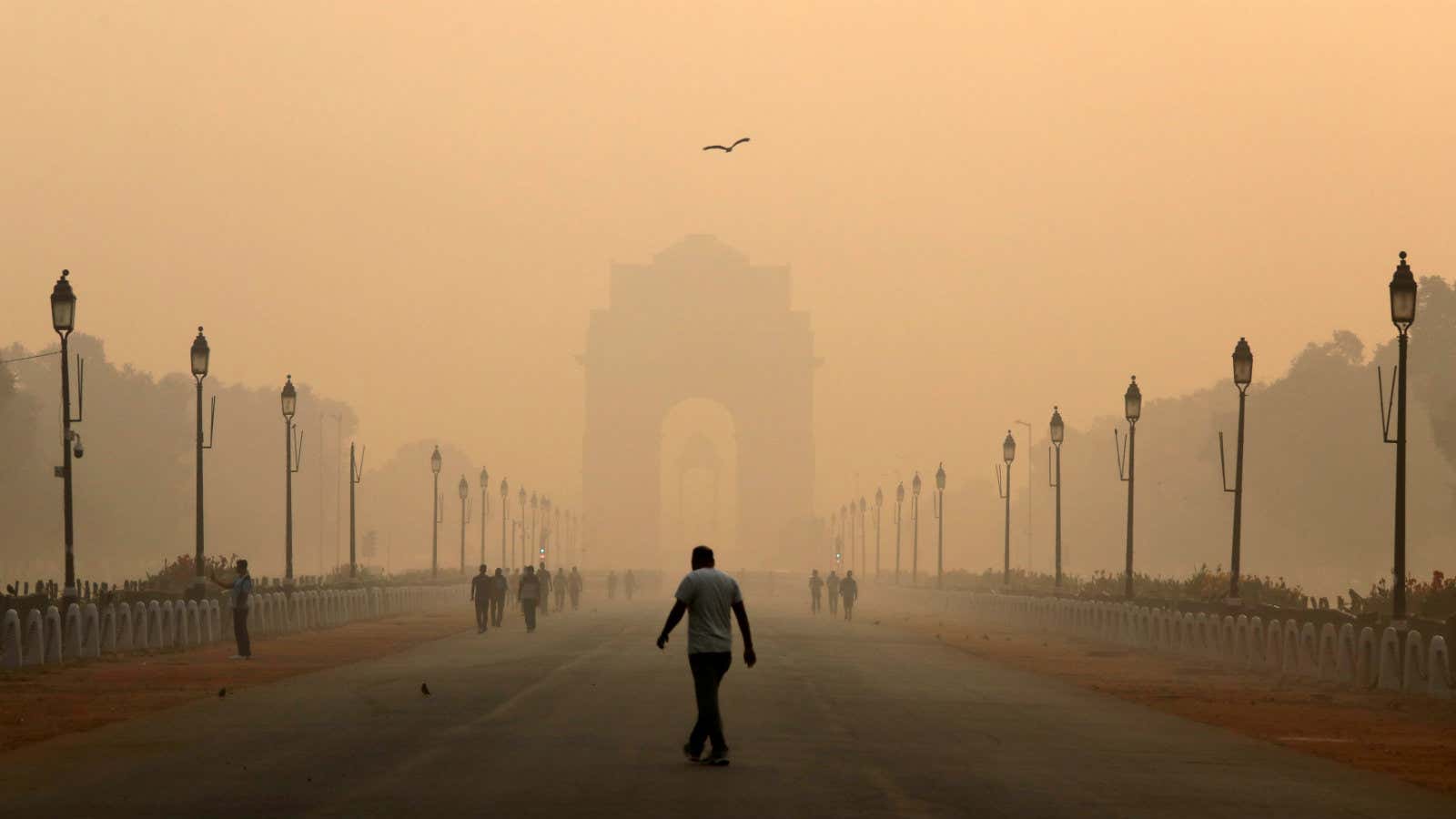
- Background: Delhi has consistently ranked as one of the most polluted cities in the world due to vehicular emissions, industrial activity, construction dust, and seasonal agricultural burning in nearby states.
- Impact: Severe air pollution has led to respiratory problems, cardiovascular diseases, and a general decline in public health. Schools have been closed, flights canceled, and public health emergencies declared.
- Response: The government has implemented measures like the odd-even vehicle rationing scheme, promoting electric vehicles, banning construction during high pollution periods, and encouraging the use of public transportation. Additionally, the Graded Response Action Plan (GRAP) was introduced to combat air pollution.
2. Ganga River Pollution
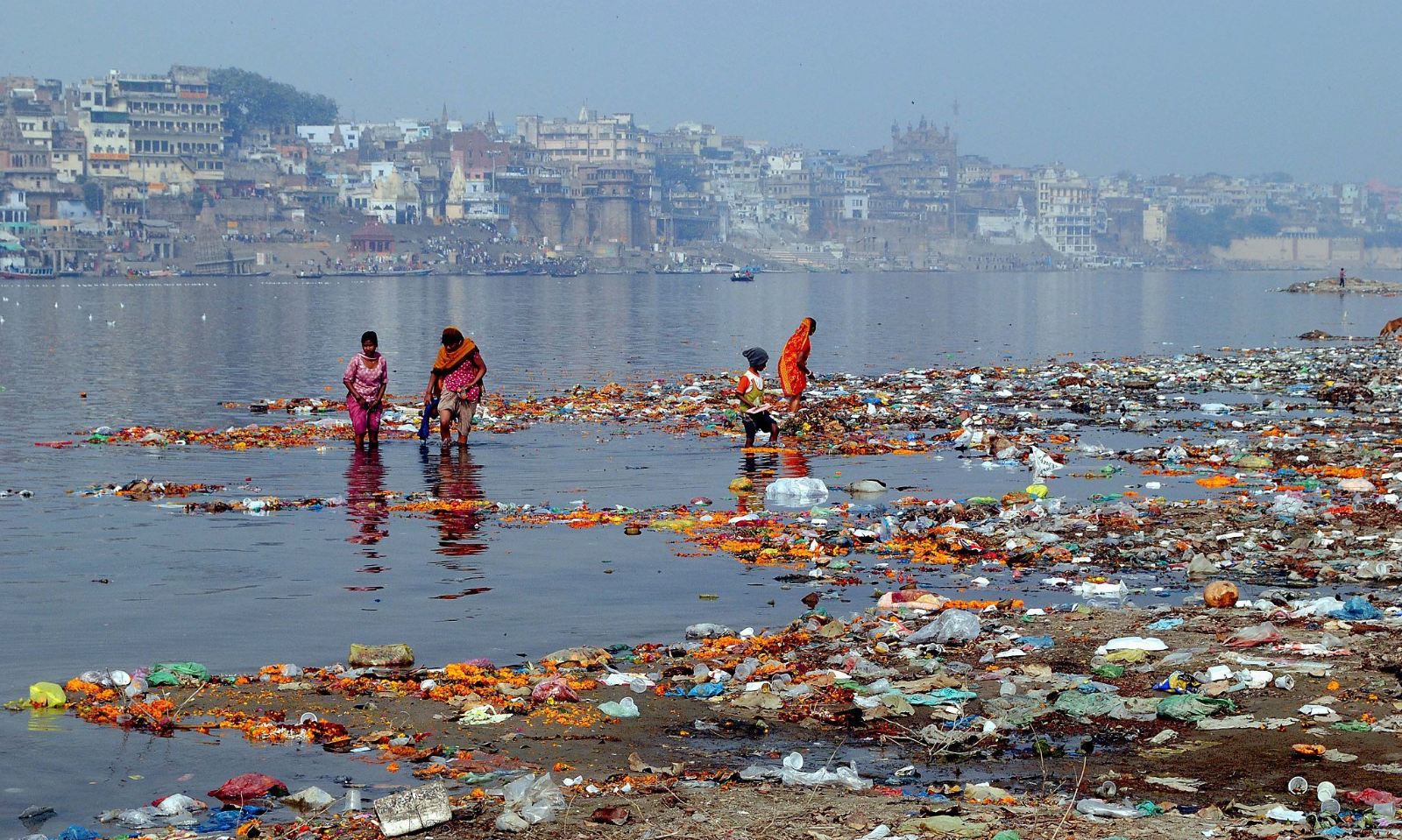
- Background: The Ganga River, considered sacred in India, has been heavily polluted due to industrial discharge, sewage, and religious activities. The river is crucial for millions of people who depend on it for drinking water, agriculture, and spiritual purposes.
- Impact: Pollution in the Ganga has led to a decline in aquatic life, unsafe drinking water, and health issues among communities relying on the river. Polluted water also affects agriculture, leading to food contamination.
- Response: The National Ganga River Basin Authority and the Namami Gange Programme were launched to clean the river, treat sewage before it enters the river, and promote sustainable agricultural practices along its banks.
3. Yamuna River Pollution in Delhi
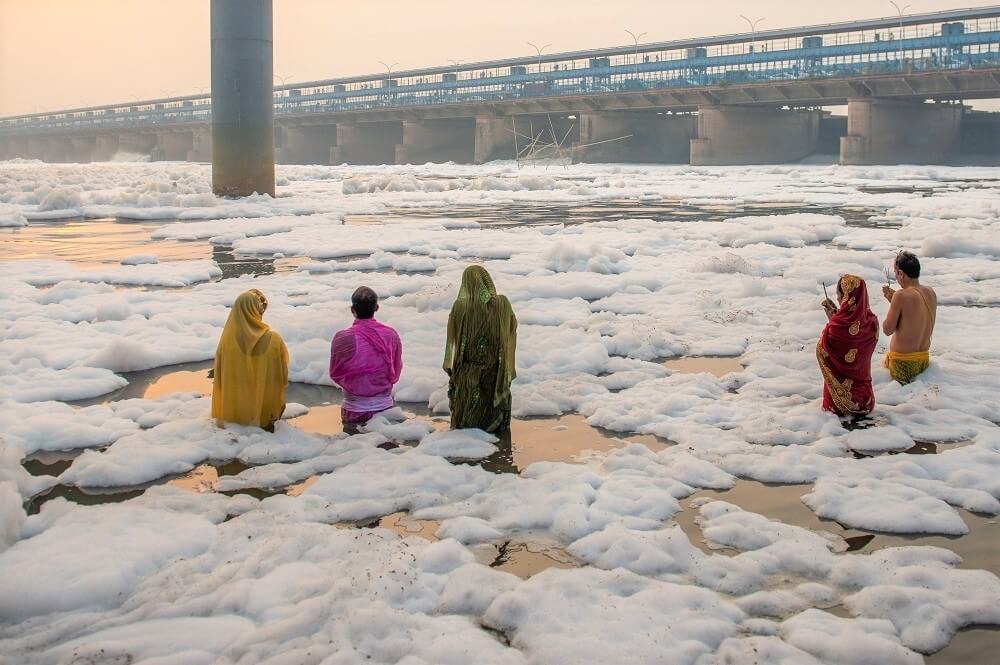
- Background: The Yamuna River, which flows through Delhi, is one of the most polluted rivers in India. Untreated sewage, industrial effluents, and solid waste are major contributors to the river's pollution.
- Impact: High levels of toxins and pollutants in the Yamuna have led to severe health problems for communities dependent on the river. The river's ecosystem has been significantly degraded, affecting both biodiversity and the livelihoods of those who rely on fishing.
- Response: The government has initiated multiple cleanup efforts, including the Yamuna Action Plan, aimed at reducing pollution by improving sewage treatment infrastructure and promoting public awareness. However, challenges in enforcement and infrastructure have hindered progress.
4. Bhopal Gas Tragedy
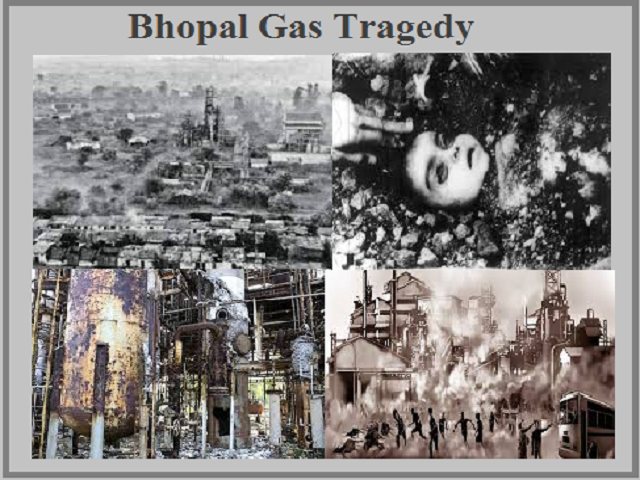
- Background: On the night of December 2-3, 1984, a gas leak at the Union Carbide India Limited pesticide plant in Bhopal, Madhya Pradesh, released methyl isocyanate (MIC) gas, exposing over 500,000 people to toxic fumes.
- Impact: The disaster caused immediate deaths, with estimates ranging from 3,000 to 16,000, and long-term health effects such as respiratory issues, cancers, and birth defects. The area around the plant remains contaminated, affecting soil and groundwater.
- Response: The tragedy led to stricter industrial regulations in India and the establishment of the Bhopal Memorial Hospital for affected victims. However, many survivors continue to suffer, and the site remains a hazardous legacy of industrial pollution.
5. Bellandur Lake in Bengaluru
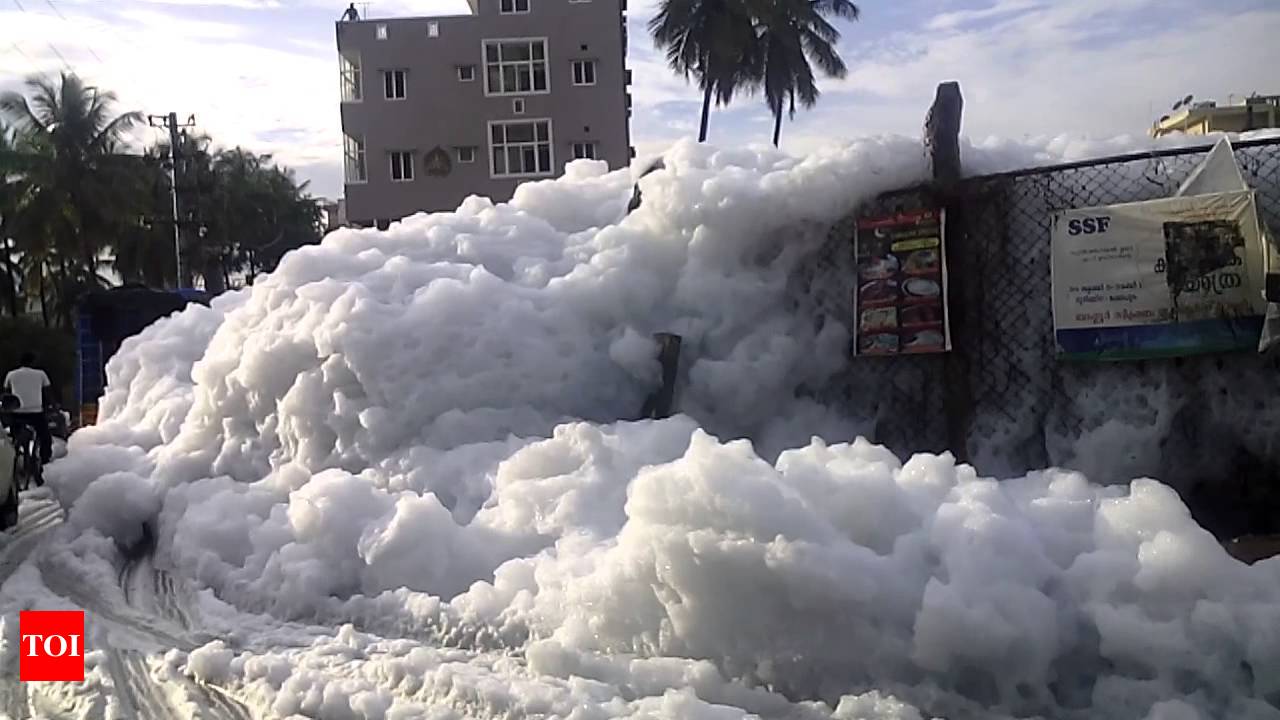
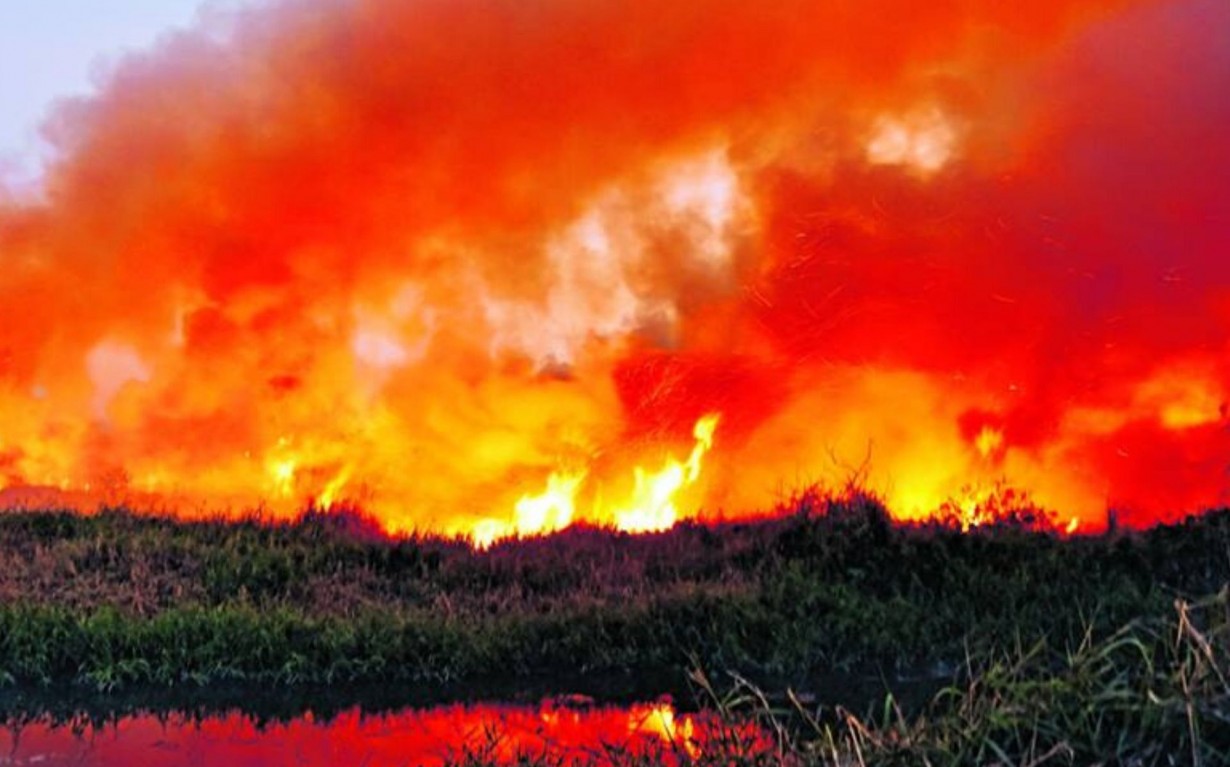
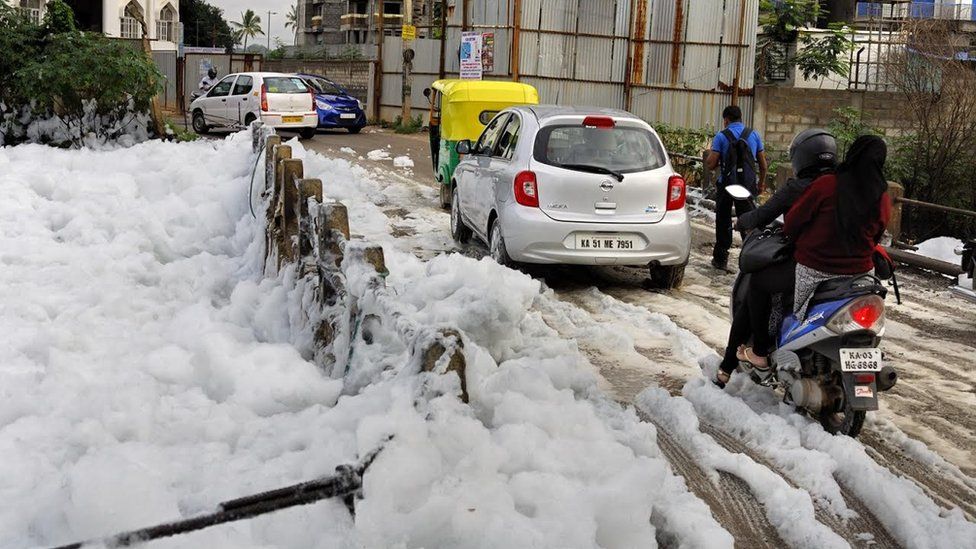
- Background: Bellandur Lake, one of Bengaluru's largest lakes, became infamous for catching fire due to the accumulation of toxic foam and industrial effluents. The lake has been heavily polluted by untreated sewage, industrial discharge, and encroachments.
- Impact: The pollution has caused the degradation of the lake's ecosystem, health problems for nearby residents, and a significant decline in groundwater quality. The toxic foam often spills over into surrounding areas, causing further environmental and health issues.
- Response: The Karnataka government, along with the National Green Tribunal (NGT), has implemented measures to clean the lake, such as banning the discharge of untreated sewage, removing encroachments, and setting up sewage treatment plants.
6. Critically Polluted Industrial Clusters (CEPI)
- Background: Several industrial clusters in India, such as Vapi (Gujarat), Tarapur (Maharashtra), and Ankleshwar (Gujarat), have been identified as critically polluted under the Comprehensive Environmental Pollution Index (CEPI). These areas have high levels of air, water, and soil pollution due to unregulated industrial activities.
- Impact: The pollution has led to severe health problems, including respiratory issues, cancers, and reproductive health problems among local populations. Environmental degradation has also affected agriculture, fisheries, and biodiversity in these areas.
- Response: The Ministry of Environment, Forest, and Climate Change (MoEFCC) has introduced stricter regulations for industries in these areas, including mandatory pollution control measures, environmental clearances, and continuous monitoring. Some clusters have seen improvements, but challenges remain in enforcement.
7. Sterlite Copper Plant Controversy in Tuticorin
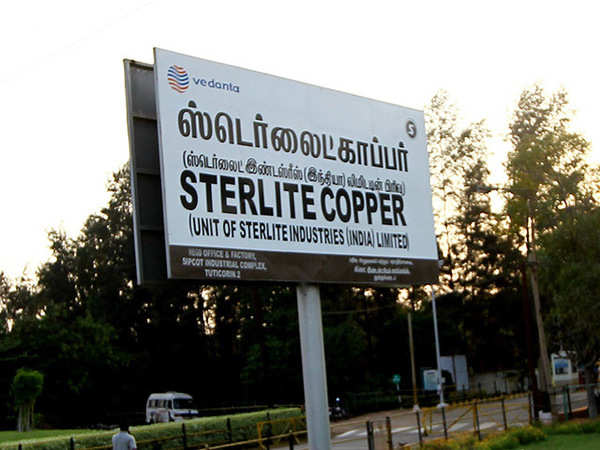
- Background: The Sterlite Copper Plant in Tuticorin, Tamil Nadu, was accused of polluting the environment through the release of toxic gases and effluents, leading to severe air and water pollution.
- Impact: The pollution from the plant allegedly caused health problems such as respiratory issues, skin diseases, and cancer among the local population. The contamination of water sources and soil also affected agriculture and fishing activities.
- Response: Protests by local residents led to the closure of the plant in 2018 following a state government order. The case brought attention to the need for stringent industrial regulation and environmental protection in India.
8. Plastic Pollution in Kerala’s Coastal Areas
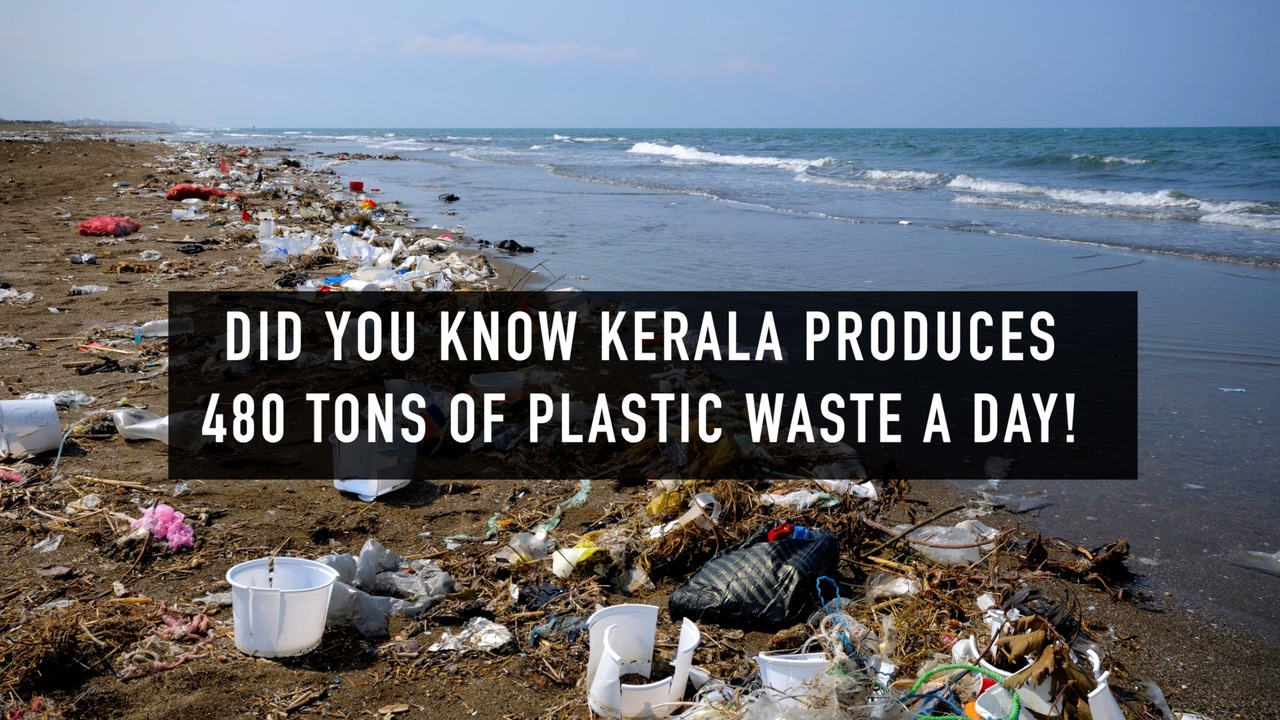
- Background: Kerala’s coastal regions have been facing severe plastic pollution, with large amounts of plastic waste washing up on beaches and affecting marine life. The problem is exacerbated by tourism, fishing activities, and inadequate waste management.
- Impact: Plastic pollution has caused the death of marine animals, contamination of the food chain, and loss of tourism revenue. The local fishing community has also been affected due to the decline in fish populations.
- Response: The Kerala government has implemented bans on single-use plastics and initiated cleanup drives along the coast. NGOs and community groups are also actively involved in awareness campaigns and waste management efforts.
9. Sponge Iron Industry in Odisha
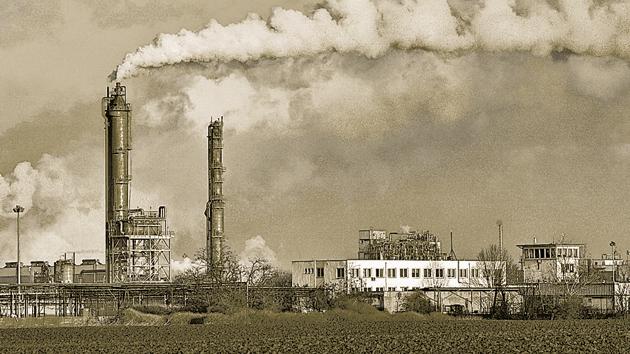
- Background: Odisha has a large number of sponge iron plants, particularly in the Sundargarh and Keonjhar districts. These plants emit significant amounts of air pollutants, including particulate matter, sulfur dioxide, and carbon monoxide.
- Impact: The pollution has led to health problems such as respiratory issues and skin diseases among local communities. The environmental impact includes deforestation, loss of biodiversity, and contamination of water sources.
- Response: The Odisha State Pollution Control Board has taken steps to enforce pollution control measures, including the installation of air pollution control devices and stricter monitoring of industrial emissions.
10. Endosulfan Tragedy in Kerala


- Background: Endosulfan, a pesticide, was extensively used in cashew plantations in Kasaragod, Kerala, leading to widespread environmental contamination and health problems.
- Impact: The pesticide exposure caused severe health issues, including physical deformities, cancers, neurological problems, and reproductive disorders among the local population. The environment, including soil and water sources, was heavily contaminated.
- Response: The use of endosulfan was banned in Kerala, and a Supreme Court order in 2011 led to a nationwide ban. The Kerala government has provided compensation and medical aid to the affected victims, and efforts are ongoing to remediate the contaminated areas.