


Climate change
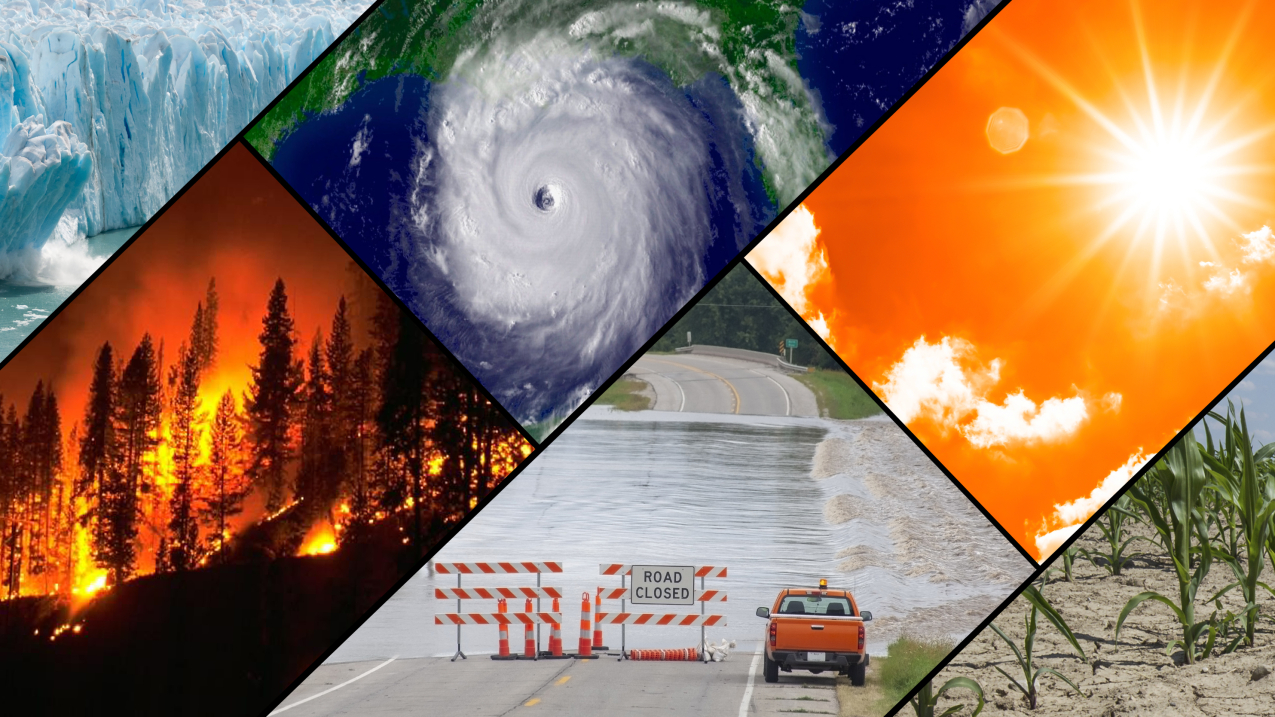


Introduction: Climate change refers to significant and long-term alterations in global or regional climate patterns, particularly an increase in average global temperatures. It is primarily driven by human activities and has profound impacts on the environment, economies, and societies.
1. Definition and Causes:
Definition: Climate change denotes the long-term shifts in temperature, precipitation patterns, and other aspects of the Earth's climate system. It is distinct from short-term weather variability and focuses on trends over decades or centuries.
Primary Causes:
- Greenhouse Gas Emissions: Human activities, especially the burning of fossil fuels (coal, oil, and natural gas), release greenhouse gases (GHGs) like carbon dioxide (CO₂), methane (CH₄), and nitrous oxide (N₂O). These gases trap heat in the Earth's atmosphere, leading to global warming.
- Deforestation: The clearing of forests for agriculture, urban development, and logging reduces the number of trees that absorb CO₂, exacerbating the greenhouse effect.
- Industrial Activities: Industrial processes contribute to greenhouse gas emissions through the combustion of fossil fuels and the release of industrial pollutants.
- Agricultural Practices: Agricultural activities, including livestock farming and rice cultivation, produce methane and nitrous oxide, both potent greenhouse gases.
2. Impacts of Climate Change:
Environmental Impacts:
- Temperature Rise: Global temperatures have increased, leading to more frequent and intense heatwaves, altered weather patterns, and disruptions in climate zones.
- Melting Ice and Sea Level Rise: Polar ice caps and glaciers are melting, causing sea levels to rise. This results in coastal erosion, flooding of low-lying areas, and displacement of communities.
- Ocean Changes: Increased CO₂ levels contribute to ocean acidification, affecting marine life and coral reefs. Warmer ocean temperatures disrupt marine ecosystems and fisheries.
Ecological Impacts:
- Ecosystem Disruption: Changes in temperature and precipitation patterns affect ecosystems and biodiversity, leading to habitat loss, shifts in species distributions, and increased extinction rates.
- Impact on Agriculture: Climate change affects crop yields and agricultural productivity through altered growing conditions, increased pests, and water scarcity.
Socioeconomic Impacts:
- Human Health: Increased heat can lead to heat-related illnesses, and changing weather patterns can influence the spread of vector-borne diseases.
- Economic Costs: Extreme weather events, such as hurricanes and floods, cause damage to infrastructure, property, and economies. Agriculture and fisheries are also affected, impacting food security and livelihoods.

3. Mitigation and Adaptation Strategies:
Mitigation Measures:
- Renewable Energy: Transitioning to renewable energy sources, such as solar, wind, and hydropower, reduces reliance on fossil fuels and lowers greenhouse gas emissions.
- Energy Efficiency: Improving energy efficiency in buildings, transportation, and industrial processes helps reduce overall energy consumption and emissions.
- Carbon Pricing: Implementing carbon pricing mechanisms, such as carbon taxes or cap-and-trade systems, provides economic incentives for reducing emissions.
- Reforestation and Afforestation: Planting trees and restoring forests enhance carbon sequestration and improve biodiversity.
Adaptation Measures:
- Infrastructure Resilience: Designing and building resilient infrastructure to withstand extreme weather events and rising sea levels helps protect communities and economies.
- Water Management: Implementing water conservation and management strategies addresses changes in precipitation patterns and ensures sustainable water use.
- Agricultural Adaptation: Adopting climate-smart agricultural practices, such as drought-resistant crops and efficient irrigation systems, improves resilience to climate impacts.
International Agreements:
- Paris Agreement: An international treaty aiming to limit global warming to well below 2°C above pre-industrial levels, with efforts to limit the increase to 1.5°C. It involves commitments from countries to reduce emissions and enhance climate resilience.
4. Challenges and Future Directions:
Challenges:
- Political and Economic Barriers: There may be resistance to implementing climate policies due to political, economic, or vested interests.
- Technological and Financial Constraints: Developing and deploying climate solutions may face technological and financial challenges, especially in developing countries.
Future Directions:
- Enhanced Cooperation: Strengthening international cooperation and support for climate action in developing countries is crucial.
- Innovation and Research: Continued investment in research and innovation is necessary to develop new technologies and strategies for mitigating and adapting to climate change.