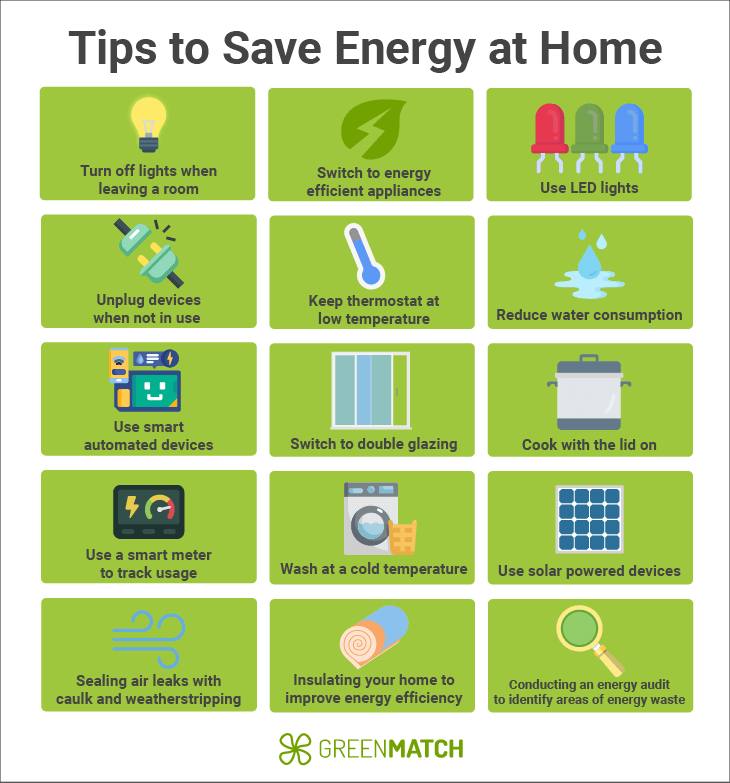


Issues related to energy conservation in everyday life
Energy conservation is crucial for reducing energy consumption and mitigating environmental impacts, but there are several issues and challenges that individuals may face in their daily lives when trying to conserve energy. Here are some common issues related to energy conservation:
1. Lack of Awareness and Education
- Understanding Benefits: Many people are unaware of the benefits of energy conservation and how it can impact their energy bills and the environment.
- Knowledge Gaps: There is often a lack of knowledge about effective energy-saving practices and technologies, leading to missed opportunities for conservation.
2. High Initial Costs
- Upfront Investment: Energy-efficient appliances, insulation, and renewable energy systems often require significant initial investment, which can be a barrier for many households.
- Budget Constraints: Not everyone has the financial resources to afford energy-efficient upgrades or home improvements.
3. Behavioral Habits
- Resistance to Change: People may be resistant to changing their daily habits, such as turning off lights or reducing heating, due to comfort or convenience.
- Inconsistent Practices: Energy-saving practices may not be consistently applied, reducing their overall effectiveness.
4. Inadequate Infrastructure
- Old Buildings: Many older homes and buildings are poorly insulated and lack modern energy-efficient technologies, making energy conservation more challenging.
- Infrastructure Limitations: In some areas, the infrastructure for renewable energy and energy-efficient technologies may be lacking or unavailable.
5. Technical and Maintenance Issues
- Complexity: Some energy-efficient systems and technologies can be complex to install and maintain, requiring professional assistance.
- Maintenance Requirements: Regular maintenance is needed to keep energy-saving systems functioning optimally, and neglecting this can reduce their effectiveness.
6. Economic and Market Factors
- Energy Prices: Fluctuations in energy prices can affect the financial incentives for energy conservation, making it harder to justify investments in energy-efficient technologies.
- Market Availability: The availability of energy-efficient products and technologies can vary by region, impacting access and affordability.
7. Incentive Programs and Policies
- Lack of Incentives: In some areas, there may be a lack of government incentives, rebates, or programs to encourage energy conservation.
- Policy Gaps: Inadequate policies or regulations related to energy efficiency can limit the effectiveness of conservation efforts.
8. Impact of Technology
- Rebound Effect: The rebound effect occurs when improvements in energy efficiency lead to increased energy use due to lower operational costs, offsetting some of the conservation benefits.
- Obsolescence: Rapid advancements in technology can render recent energy-saving investments obsolete, leading to concerns about the long-term value of conservation efforts.
9. Lifestyle and Convenience
- Comfort vs. Conservation: Balancing energy conservation with personal comfort can be challenging, as some energy-saving measures may impact convenience or lifestyle.
- Social Norms: Societal norms and expectations regarding energy use can influence individual behavior and resistance to energy-saving practices.
10. Effectiveness of Conservation Measures
- Variable Results: The effectiveness of energy conservation measures can vary based on factors such as climate, building type, and user behavior.
- Short-Term vs. Long-Term: Some energy-saving measures may not show immediate results, leading to a lack of motivation to continue conservation efforts.