


Energy conservation measures
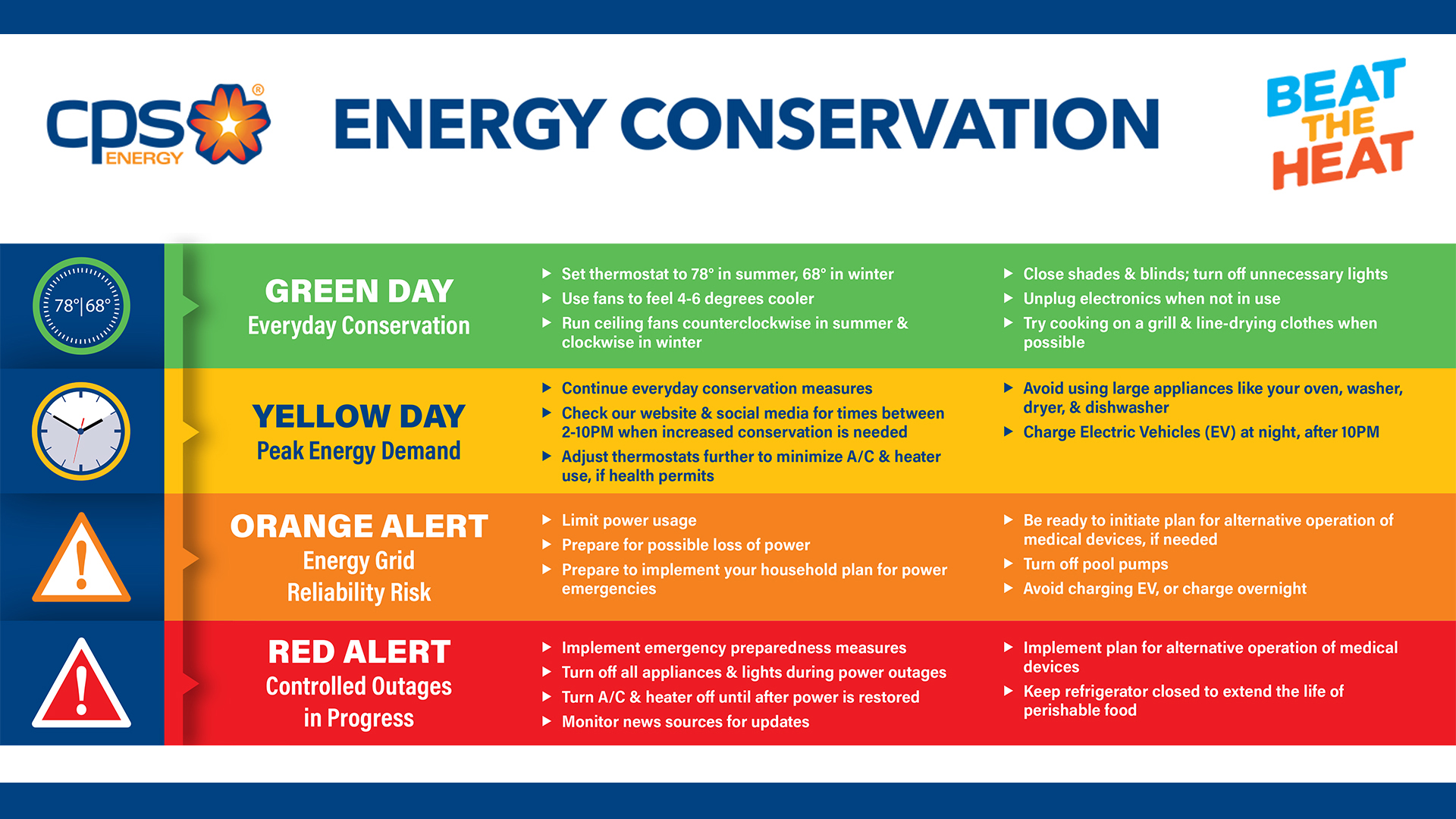
Energy conservation is crucial for reducing energy consumption, minimizing environmental impacts, and lowering costs. It involves a range of strategies and practices designed to use energy more efficiently and reduce unnecessary energy use.
1. Residential Energy Conservation
a. Building Design and Insulation:
- Insulation: Proper insulation of walls, roofs, and floors helps maintain indoor temperatures and reduces the need for heating and cooling.
- Windows and Doors: Install energy-efficient windows and doors, such as double-glazed windows, to reduce heat loss or gain.
- Sealing: Seal gaps and leaks around windows, doors, and ducts to prevent air leakage and improve energy efficiency.
b. Heating and Cooling:
- Thermostats: Use programmable or smart thermostats to optimize heating and cooling schedules.
- Efficient Systems: Upgrade to energy-efficient heating, ventilation, and air conditioning (HVAC) systems.
- Regular Maintenance: Perform regular maintenance on HVAC systems to ensure optimal performance.
c. Lighting:
- LED Bulbs: Replace incandescent bulbs with energy-efficient LED or CFL bulbs.
- Natural Light: Maximize the use of natural light during the day by opening blinds and using skylights.
d. Appliances and Electronics:
- Energy-Efficient Appliances: Choose appliances with ENERGY STAR ratings, which consume less energy.
- Standby Power: Unplug electronics and appliances when not in use or use power strips to reduce standby power consumption.
e. Water Conservation:
- Low-Flow Fixtures: Install low-flow showerheads and faucets to reduce hot water use.
- Efficient Water Heaters: Use energy-efficient water heaters or consider tankless water heaters.
2. Commercial and Industrial Energy Conservation
a. Energy Audits:
- Assessment: Conduct energy audits to identify areas of inefficiency and opportunities for improvement.
- Benchmarking: Use benchmarking tools to compare energy performance against industry standards.
b. Building Management Systems:
- Automation: Implement building management systems (BMS) to control lighting, HVAC, and other systems more efficiently.
- Energy Monitoring: Use real-time energy monitoring to track consumption and identify anomalies.
c. Lighting:
- High-Efficiency Lighting: Upgrade to LED lighting and use occupancy sensors to ensure lights are only on when needed.
- Daylighting: Incorporate daylighting strategies, such as skylights and light tubes, to reduce reliance on artificial lighting.
d. Heating and Cooling:
- Energy-Efficient Equipment: Upgrade to high-efficiency HVAC systems and use economizers to reduce energy use.
- Building Insulation: Improve insulation and sealing to enhance thermal performance and reduce heating and cooling needs.
e. Process Optimization:
- Energy-Efficient Equipment: Invest in energy-efficient machinery and equipment.
- Process Improvements: Optimize industrial processes to reduce energy consumption, such as improving steam systems and implementing waste heat recovery.
f. Employee Training and Engagement:
- Awareness Programs: Train employees on energy conservation practices and the importance of reducing energy consumption.
- Behavioral Changes: Encourage energy-saving behaviors, such as turning off lights and equipment when not in use.
3. Transportation Energy Conservation
a. Vehicle Efficiency:
- Fuel-Efficient Vehicles: Choose vehicles with better fuel efficiency or consider hybrid and electric vehicles.
- Maintenance: Regularly maintain vehicles to ensure optimal performance and fuel efficiency.
b. Alternative Transportation:
- Public Transit: Use public transportation or carpool to reduce the number of vehicles on the road.
- Active Transportation: Promote walking and cycling for short trips to reduce reliance on fossil fuels.
c. Fleet Management:
- Route Optimization: Implement route optimization software to reduce fuel consumption and emissions.
- Telematics: Use telematics systems to monitor and manage fleet performance, including fuel usage and maintenance needs.
4. Energy Conservation in Renewable Energy Systems
a. Efficient Use of Renewables:
- Energy Storage: Implement energy storage solutions, such as batteries, to store excess energy from renewable sources for later use.
- Demand Response: Use demand response strategies to align energy consumption with periods of high renewable energy availability.
b. System Optimization:
- Maintenance: Regularly maintain and optimize renewable energy systems, such as solar panels and wind turbines, to ensure maximum efficiency.
- Integration: Integrate renewable energy systems with smart grids to enhance energy distribution and reduce waste.
5. Policy and Regulation
a. Energy Efficiency Standards:
- Regulations: Implement and adhere to energy efficiency standards and regulations for buildings, appliances, and vehicles.
- Incentives: Utilize government incentives and rebates for energy-efficient upgrades and renewable energy installations.
b. Energy Conservation Programs:
- Education: Support and participate in energy conservation programs and initiatives at the local, regional, and national levels.
- Community Engagement: Promote community-wide energy conservation efforts and encourage collective actions.
Implementing energy conservation measures across residential, commercial, industrial, and transportation sectors can significantly reduce energy consumption, lower costs, and minimize environmental impacts. By adopting energy-efficient technologies, optimizing processes, and promoting conservation practices, individuals and organizations can contribute to a more sustainable and energy-efficient future.