


Definition and classification including in situ and ex situ types
Definition of Bioremediation
Bioremediation is a process that uses living organisms, primarily microorganisms, fungi, plants, or their enzymes, to detoxify, degrade, and transform hazardous substances in the environment into less harmful or non-toxic forms. This technology leverages natural biological processes to remediate contaminated soil, water, and air, offering an environmentally friendly and often cost-effective alternative to traditional physical and chemical remediation methods.
Classification of Bioremediation
Bioremediation techniques can be broadly classified into two main categories based on where the remediation process takes place: in situ and ex situ. Each category encompasses various methods tailored to specific types of contaminants and environmental conditions.

1. In Situ Biodegradation
In situ biodegradation occurs directly at the site of contamination without removing the contaminated material. This method is often preferred for treating large areas of contaminated soil or groundwater because it is less disruptive and more cost-effective than ex situ methods.
Types of In Situ Biodegradation:

- Natural Attenuation: This process relies on natural environmental conditions and indigenous microorganisms to degrade contaminants without human intervention.
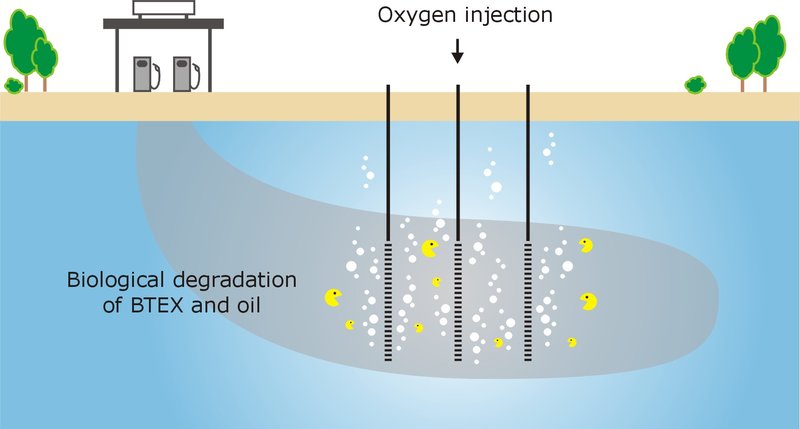
- Bioventing: Bioventing techniques involve controlled stimulation of airflow by delivering oxygen to unsaturated (vadose) zone in order to increase activities of indigenous microbes for bioremediation. In bioventing, amendments are made by adding nutrients and moisture to increase bioremediation. That will achieve microbial transformation of pollutants to a harmless state.
-

- Bioslurping: This technique combines vacuum-enhanced pumping, soil vapor extraction and bioventing to achieve soil and ground water remediation by indirect providing of oxygen and stimulation of contaminant biodegradation. This technique is planned for products recovery from remediating capillary, light non-aqueous phase liquids (LNAPLs), unsaturated and saturated zones. This technique used to remediate soils which are contaminated with volatile and semi-volatile organic compounds. The method uses a “slurp” that spreads into the free product layer, which pulls up liquids from this layer.
-

- Biosparging: This technique is similar to bioventing in this air is injected into soil subsurface to improve microbial activities which stimulate pollutant removal from polluted sites. However, in bioventing, air is injected in saturated zone, which can help in upward movement of volatile organic compounds to the unsaturated zone to stimulate biodegradation process. The efficiency of biosparging depends on two major factors specifically soil permeability and pollutant biodegradability.
-
- Biostimulation: Involves the addition of nutrients, electron donors, or electron acceptors to stimulate the existing microbial population to enhance biodegradation rates.
- Bioaugmentation: Involves the addition of specific strains of microorganisms known to degrade contaminants to the site to enhance biodegradation.
-

- Phytoremediation: Phytoremediation is depolluting the contaminated soils. This technique based on plant interactions like physical, chemical, biological, microbiological and biochemical in contaminated sites to diminish the toxic properties of pollutants. Which is depending on pollutant amount and nature, there are several mechanisms such as extraction, degradation, filtration, accumulation, stabilization and volatilization involved in phytoremediation. Pollutants like heavy metals and radionuclides are commonly removed by extraction, transformation and sequestration. Organic pollutants hydrocarbons and chlorinated compounds are mostly removed by degradation, rhizoremediation, stabilization and volatilization, with mineralization being possible when some plants such as willow and alfalfa are used.
-


Advantages:
- Minimal disruption to the site.
- Lower cost compared to ex situ methods.
- Suitable for large and deep contamination zones.
Disadvantages:
- Slower degradation rates.
- Less control over environmental conditions.
- Potentially limited effectiveness for highly toxic or recalcitrant compounds.
2. Ex Situ Biodegradation
Ex situ biodegradation involves the removal of contaminated material to another location for treatment. This method allows for greater control over environmental conditions and treatment processes, potentially leading to faster and more complete degradation of contaminants.
Types of Ex Situ Biodegradation:
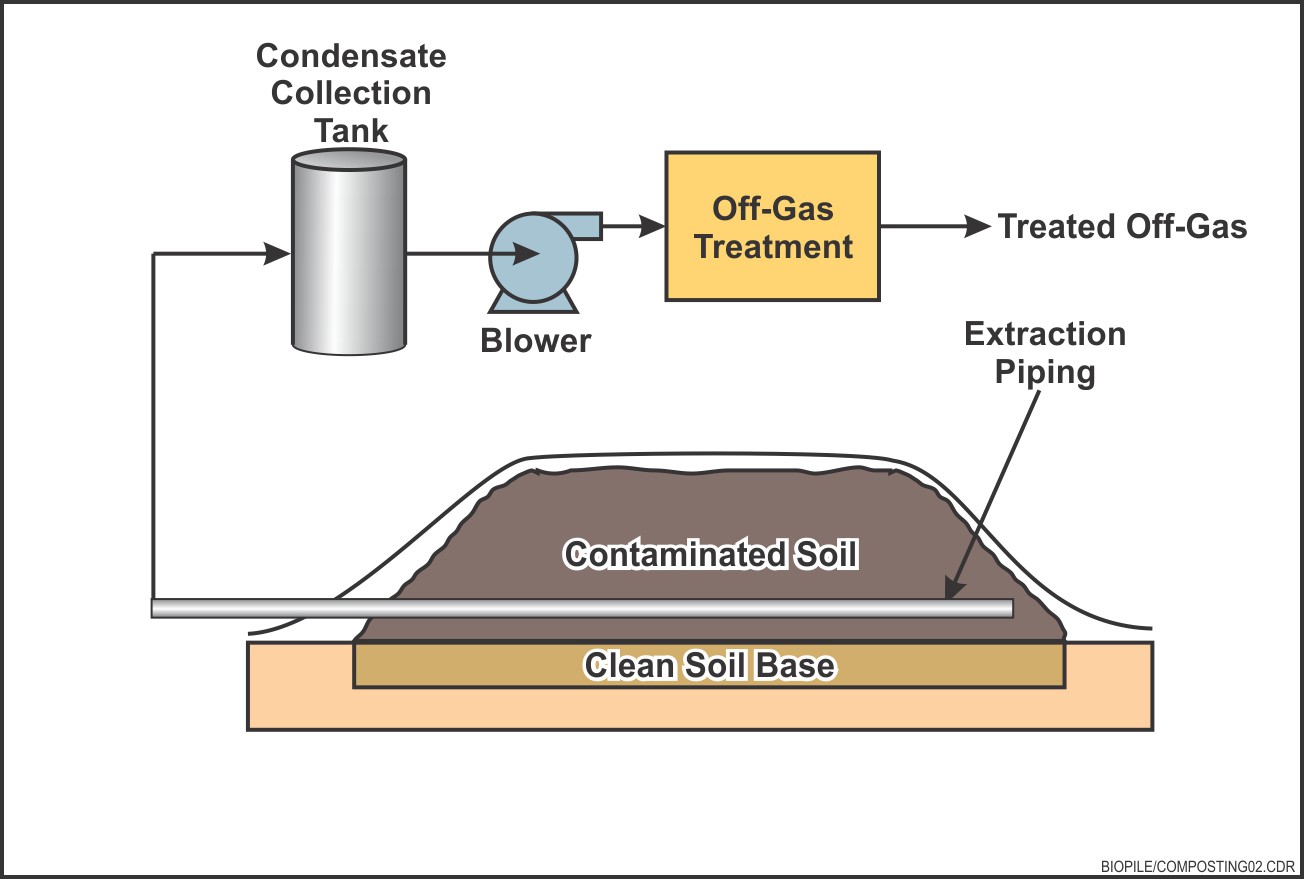
- Biopiles: Contaminated soil is excavated and piled, and then aerated, irrigated, and amended with nutrients and microbial inoculants as needed to promote biodegradation. Bioremediation includes above-ground piling of dug polluted soil, followed by aeration and nutrient amendment to improve bioremediation by microbial metabolic activities. This technique comprises aeration, irrigation, nutrients, leachate collection and treatment bed systems.
-
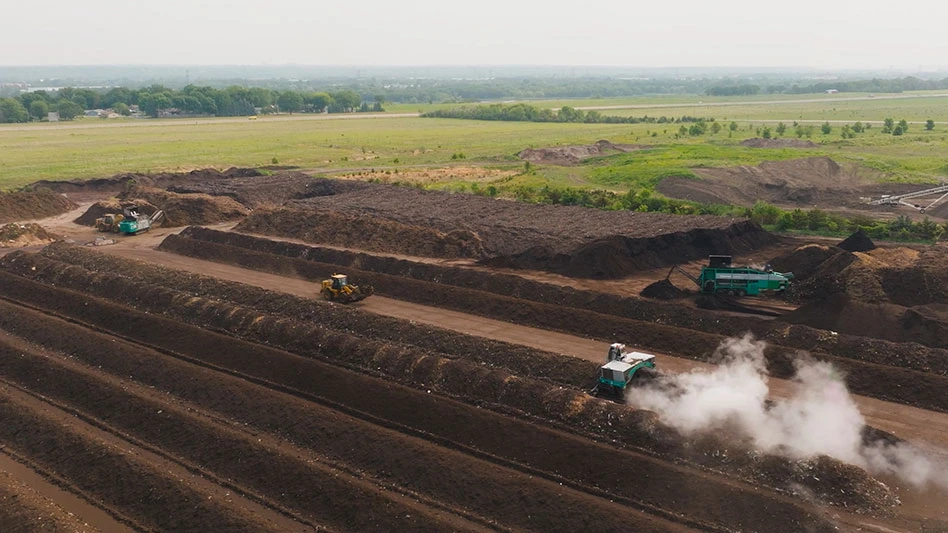
- Windrow Composting: Contaminated soil is formed into long rows (windrows) and regularly turned to aerate the material and promote microbial activity. Windrows is bioremediation techniques depends on periodic rotating the piled polluted soil to improve bioremediation by increasing microbial degradation activities of native and transient hydrocarbonoclastic present in polluted soil. The periodic turning of polluted soil increase in aeration with addition of water, uniform distribution of nutrients, pollutants and microbial degradation activities, accordingly increase the rate of bioremediation, which can be proficient through acclimatization, biotransformation and mineralization.
-
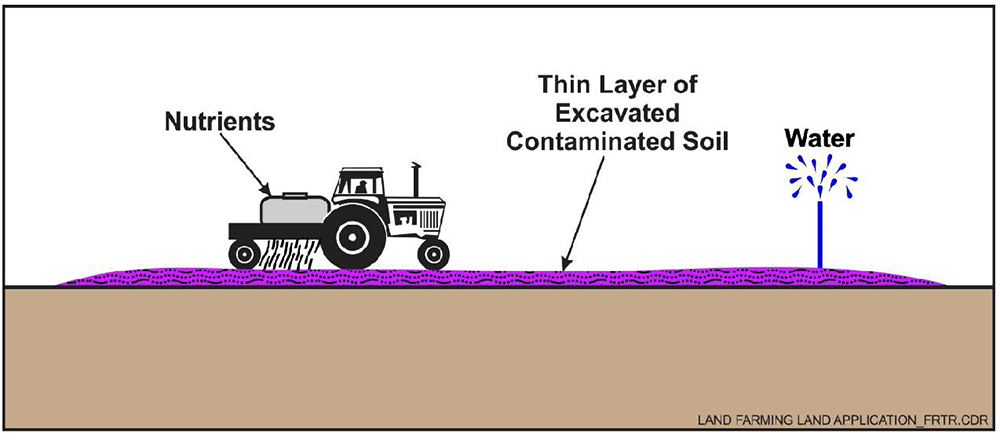
- Landfarming: Contaminated soil is spread over a large area and periodically tilled to aerate the soil and enhance biodegradation. Land farming is the simplest, outstanding bioremediation techniques due to its low cost and less equipment requirement for operation. It is mostly observed in ex-situ bioremediation, while in some cases of in-situ bioremediation technique. This consideration is due to the site of treatment. Pollutant depth is important in land farming which can be carried out ex-situ or in-situ. In land farming, polluted soils are regularly excavated and tilled and site of treatment speciously regulates the type of bioremediation.
-
- Bioreactors: Contaminated soil or water is placed in a reactor vessel where environmental conditions (temperature, pH, oxygen levels) are tightly controlled to optimize biodegradation. Bioreactor is a vessel in which raw materials are converted to specific product(s) following series of biological reactions. There are different operational modes of bioreactors, which include: batch, fed-batch, sequencing batch, continuous and multistage. Bioreactor provides optimal growth conditions for bioremediation. Bioreactor filled with polluted samples for remediation process.
-

Advantages:
- Greater control over treatment conditions.
- Faster degradation rates.
- Effective for a wide range of contaminants.
Disadvantages:
- Higher cost due to excavation, transport, and treatment setup.
- Potentially disruptive to the site.
- Requires disposal of treated material.