

What is program and what is a programming language
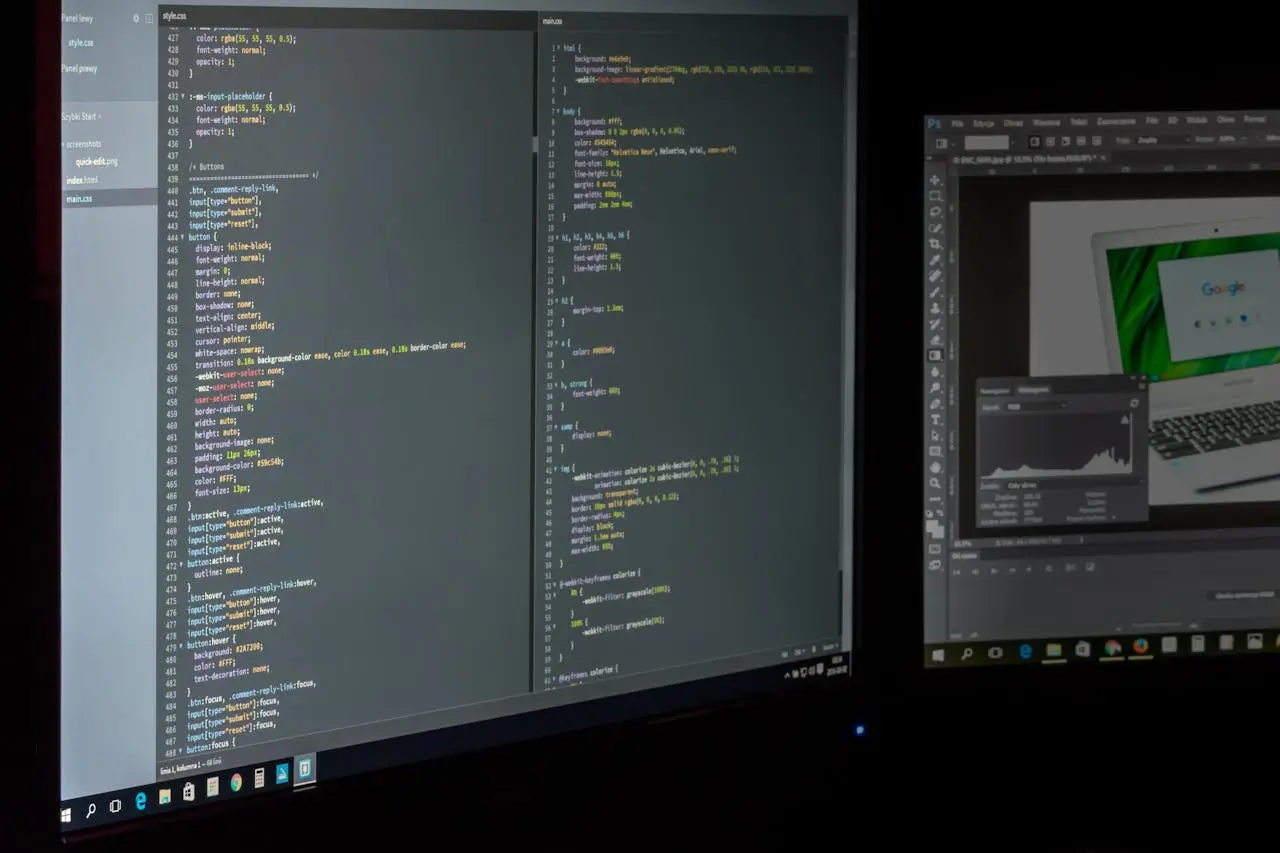
We have seen in the previous unit that a computer has to be fed with a detailed set of instructions and data for solving a problem. Such a procedure which we call an algorithm is a series of steps arranged in a logical sequence. Also we have seen that a flowchart is a pictorial representation of a sequence of instructions given to the computer. It also serves as a document explaining the procedure used to solve a problem. In practice it is necessary to express an algorithm using a programming language. A procedure expressed in a programming language is known as a computer program.
Computer programming languages are developed with the primary objective of facilitating a large number of people to use computers without the need for them to know in detail the internal structure of the computer. Languages are designed to be machine-independent. Most of the programming languages ideally designed, to execute a program on any computer regardless of who manufactured it or what model it is.
Programming languages can be divided into two categories:
- Low Level Languages or Machine Oriented Languages: The language whose design is governed by the circuitry and the structure of the machine is known as the Machine language. This language is difficult to learn and use. It is specific to a given computer and is different for different computers i.e. these languages are machine-dependent. These languages have been designed to give a better machine efficiency, i.e. faster program execution. Such languages are also known as Low Level Languages. Another type of Low-Level Language is the Assembly Language. We will code the assembly language program in the form of mnemonics. Every machine provides a different set of mnemonics to be used for that machine only depending upon the processor that the machine is using.
- High Level Languages or Problem Oriented Languages: These languages
are particularly oriented towards describing the procedures for solving the
problem in a concise, precise and unambiguous manner. Every high level
language follows a precise set of rules. They are developed to allow application
programs to be run on a variety of computers. These languages are machineindependent. Languages falling in this category are FORTRAN, BASIC,
PASCAL etc. They are easy to learn and programs may be written in these
languages with much less effort. However, the computer cannot understand
them and they need to be translated into machine language with the help of
other programs known as Compilers or Translators.