

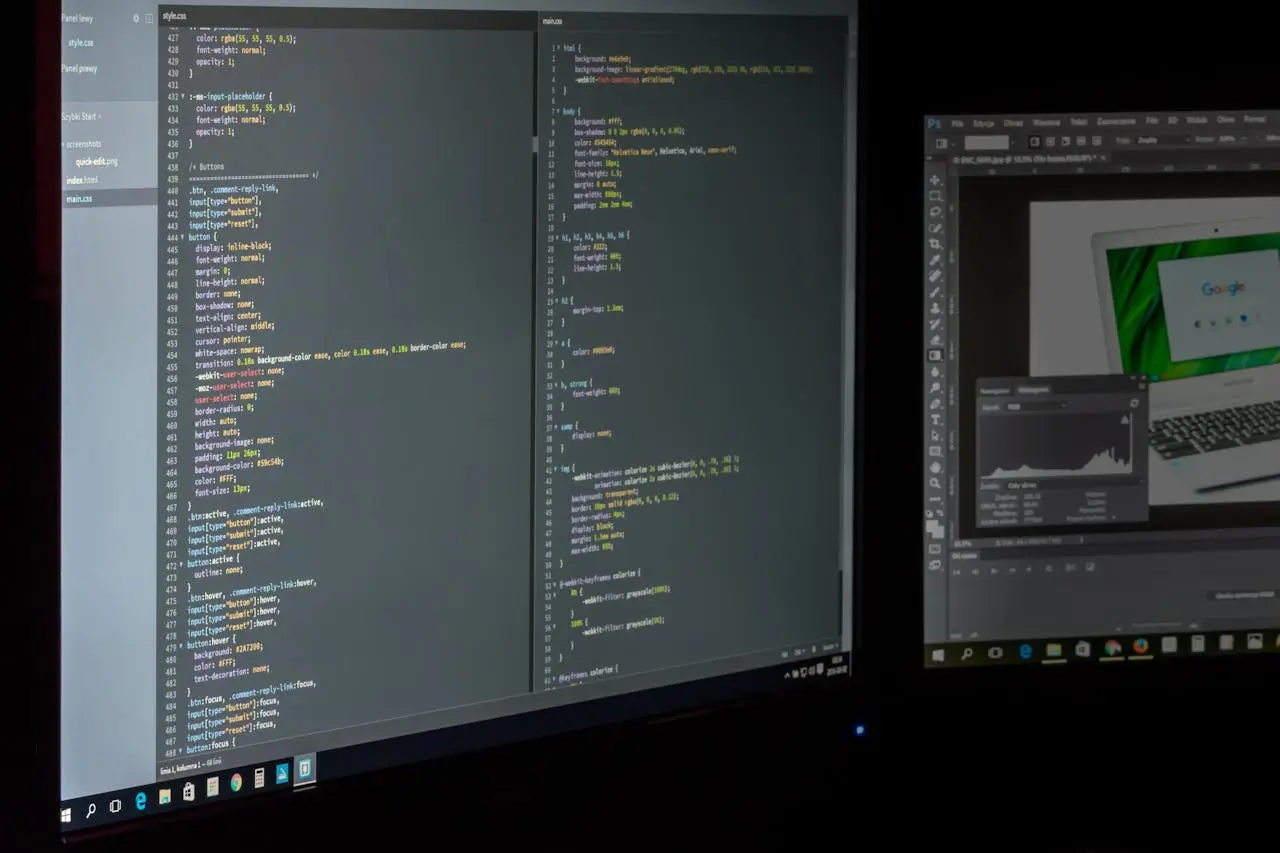
Visual and Digital Image processing
Image interpretation in the context of visual and digital image processing refers to the process of analysing and extracting meaningful information from images. It involves both visual examination and computational methods to understand the content, context, and characteristics of an image. Here's how image interpretation is conducted using visual and digital processing techniques:
VISUAL INTERPRETATION
Visual interpretation relies on human perception to analyse images. It involves examining the visual features, patterns, and relationships within an image to identify objects, land cover types, or other relevant information. This process often requires expertise in the subject matter and familiarity with the imagery and the study area. Visual interpretation can be aided by tools such as magnification, color enhancement, and overlaying multiple layers or images for comparison.
DIGITAL IMAGE PROCESSING
Digital image processing involves the application of computational algorithms to manipulate and analyze images. It enables automated or semi-automated extraction of information from images, complementing and sometimes replacing manual visual interpretation. Digital processing techniques include:
Image enhancement: Algorithms for enhancing image quality by adjusting contrast, brightness, and sharpness, or by reducing noise and artifacts.
Image segmentation: Techniques to partition an image into distinct regions or objects based on pixel intensity, color, texture, or other features.
Feature Extraction: Algorithms to automatically identify and extract specific features or objects of interest from images, such as roads, buildings, vegetation, or geological formations.
Classification: Methods for categorising pixels or image regions into predefined classes or categories, such as land cover types or land use classes. Classification can be supervised, unsupervised, or semi-supervised, and it often involves machine learning algorithms like support vector machines (SVM), random forests, or convolutional neural networks (CNN).
Change Detection: Algorithms for comparing multiple images acquired at different times to detect and quantify changes in the landscape or objects of interest. Change detection methods may involve image differencing, offsetting, or time-series analysis.
Integration of Visual and Digital Techniques: In practice, image interpretation often combines both visual examination and digital processing techniques. Visual interpretation provides valuable insights and context, while digital processing enables efficient analysis of large volumes of imagery and extraction of quantitative information. By integrating human expertise with computational tools, image interpretation becomes more accurate, efficient, and scalable for various applications such as environmental monitoring, urban planning, agriculture, and disaster response.