


Public participation
Public participation is a cornerstone of democratic governance and environmental decision-making. It involves the active engagement of individuals, communities, and organisations in the processes that affect their lives and environments. Effective public participation ensures that diverse perspectives are considered, promotes transparency, and enhances the legitimacy and sustainability of decisions.
Public participation is a process, not a single event.

Forms of Public Participation
Public participation can take various forms, each suitable for different contexts and stages of decision-making:
Information Sharing
- Objective: To inform the public about decisions, policies, projects, or issues.
- Methods: Public notices, information sessions, websites, newsletters, and social media.
Consultation
- Objective: To seek public input and feedback on specific issues or proposals.
- Methods: Public hearings, surveys, focus groups, and written submissions.
Involvement
- Objective: To work directly with the public throughout the process to ensure that their concerns and aspirations are consistently understood and considered.
- Methods: Workshops, advisory committees, and participatory planning sessions.
Collaboration
- Objective: To partner with the public in each aspect of the decision, including the development of alternatives and identification of the preferred solution.
- Methods: Joint decision-making bodies, community advisory panels, and co-management arrangements.
Empowerment
- Objective: To place final decision-making in the hands of the public or local communities.
- Methods: Community-driven projects, participatory budgeting, and citizen juries.

The section of this guide titled Selecting the Right Level of Public Participation discusses the different forms that public participation might take depending on the potential for public influence on a decision. These forms include:
- informing the public by providing information to help them understand the issues, options, and solutions;
- consulting with the public to obtain their feedback on alternatives or decisions;
- involving the public to ensure their concerns are considered throughout the decision process, particularly in the development of decision criteria and options;
- collaborating with the public to develop decision criteria and alternatives and identify the preferred solution;
- empowering the public by placing final decision-making authority in their hands.
When done in a meaningful way, public participation will result in two significant benefits:
- Sponsor agencies will make better and more easily implementable decisions that reflect public interests and values and are better understood by the public.
- Communities develop long-term capacity to solve and manage challenging social issues, often overcoming longstanding differences and misunderstandings.
Successful public participation requires the following conditions:
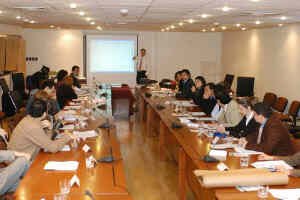
- Clear purpose and goals – a well-defined purpose for the public’s role in the project that is real, practical, and shared among stakeholders. Sponsoring agencies must determine the appropriate level or degree of public participation for the decision at hand and set the public’s expectations accordingly. No one benefits when agencies promise more in the way of public participation than they are willing to commit to and deliver. In fact, making promises that cannot be kept will undermine public confidence in the public participation process
- Clear structure and process – well-defined rules about how public participation will be conducted and how the decision will be made.
- Actual opportunity for influence – the real opportunity for public input to be considered in making the decision.
- Commitment to the process – managers and staff alike must be committed to the full range of activities required to make public participation work and be willing to obtain and consider public input in making the decision.
- Inclusive and effective representation – reaching out to representatives of the full range of relevant stakeholder interests regardless of race, colour, national origin, sexual orientation or income.
In order to establish and maintain effective public participation, sponsoring agencies and decision makers should give careful consideration to how they are supporting the process. Some important elements to successful public participation can include the following:
- Sufficient resources to conduct the process – provide the funding and staff to support all aspects of the process, including a situation assessment, outreach activities, and obtaining and incorporating public input, with resources dedicated to involving vulnerable populations and overburdened parts of the community.
- Participative capacity among staff and participants – conduct training in communication, outreach, and collaborative problem solving skills
- A climate of integrity – trust and credibility of government are essential for public participation. Public participation will not flourish where government agencies or decision makers are corrupt or disingenuous about considering public input
- A belief in the value of public input – the knowledge that public input will result in better decision-making and that public participation results in better governance
- Capacity to engage - ensuring that agencies know how to design and implement public participation processes, and that agencies and the public alike have the knowledge and communication skills to participate effectively in the process
- Complete transparency – the timely sharing of easily understandable and accessible information to educate the public about the issues and options.
Steps in Public Participation Process
Planning:
- Identify the purpose and scope of public participation.
- Determine the stakeholders and target audience.
- Develop a participation plan outlining methods, timelines, and resources.
Information Dissemination:
- Provide clear, accessible, and relevant information to the public.
- Use multiple channels to reach different segments of the population.
Engagement:
- Facilitate opportunities for the public to provide input and express their views.
- Ensure inclusivity by engaging marginalized and vulnerable groups.
Incorporation of Feedback:
- Analyze and integrate public input into the decision-making process.
- Clearly communicate how feedback has influenced decisions.
Implementation and Monitoring:
- Involve the public in the implementation and monitoring of decisions and projects.
- Establish mechanisms for ongoing feedback and adjustment.
Evaluation:
- Assess the effectiveness of the public participation process.
- Gather feedback to improve future participation efforts.